

























As the days get shorter and the weather gets colder, many students notice a shift in their mood, energy, and motivation. Getting out of bed feels harder, assignments pile up faster, and even things that usually feel exciting can start to feel exhausting. This experience is often called the “winter funk,” and for some people, it’s linked to seasonal depression.
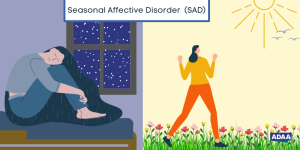
Seasonal Affective Disorder (SAD) is a type of depression that usually occurs during the fall and winter months when there is less sunlight. While not everyone experiences full seasonal depression, many students still feel its effects in smaller ways, like low motivation, difficulty concentrating, increased sleep, or feeling more irritable or overwhelmed.
How Seasonal Depression Impacts School Life
For students, seasonal depression can show up both academically and emotionally. Concentration becomes harder, which can make studying feel frustrating and time consuming. Motivation drops, so procrastination increases. Absences may rise as getting to school feels more draining than usual, and stress can build when grades don’t reflect the effort being put in.
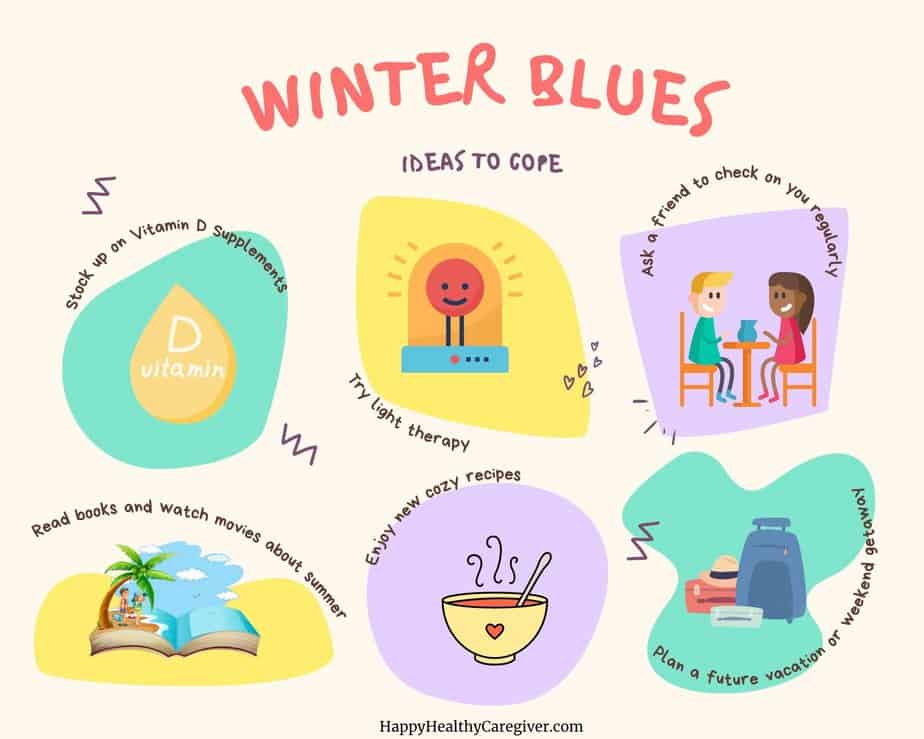
The good news is that there are small, manageable habits students can use to support both their mental health and academic performance during the winter months.
Small Habits That Make a Big Difference
1. Hydration
One of the simplest but most effective changes is staying hydrated. Bringing a water bottle to school and making it a goal to refill it at least once during the day can improve focus and energy levels. Dehydration can increase tiredness and headaches, which only make school feel harder.
2. Getting sun
Getting light exposure is another key factor. Sitting near a window during class, going outside for a few minutes during lunch, or opening blinds at home can help regulate mood and sleep patterns. Sunlight plays a major role in serotonin production, which affects mood and emotional stability.
3. Movement
Movement can also play a major role in improving mood and focus, especially during the winter months. When you exercise, even lightly, your brain releases chemicals like dopamine, serotonin, and endorphins, which are directly linked to feeling more motivated, less stressed, and more alert. This means movement doesn’t just help your body, it can actually make it easier to concentrate in class and get started on homework.
But sometimes we are even unmotivated to get up to exercise. A helpful motivation hack is making movement feel achievable instead of overwhelming. Telling yourself you need a full workout can make it easier to avoid starting altogether. Instead, aiming for just five minutes walking around the block, stretching between classes, or doing a short workout video can be enough to trigger those brain chemicals. Once your body is moving, your energy often increases naturally, making it easier to keep going. And even if it doesn’t, that small amount of movement still supports mental health and can make the rest of the school day feel more manageable.
Motivation Tips for Getting Schoolwork Done
When motivation is low, large assignments can feel impossible. Breaking work into smaller, specific tasks such as “write one paragraph” instead of “finish the essay” makes it easier to start. Starting is the hardest part.
Another helpful strategy is using the 10 minute rule. Set a timer for ten minutes and work until it ends. Often, once you start, it becomes easier to keep going. If not, at least some progress was made.
Rewarding yourself also helps. Finishing an assignment might mean watching an episode of a show, getting a snack, or taking a break with friends. These small incentives can make work feel more manageable.
Supporting Your Mental Health
Talking to someone whether it’s a friend, teacher, counselor, or family member can make a big difference. Seasonal depression is common, especially among students, and asking for help is a sign of awareness, not weakness.
Maintaining a consistent sleep schedule, even on weekends, can also help regulate mood and energy. While winter may make staying in bed tempting, regular routines help keep both mental health and academic performance stable.
You’re Not Alone.
Feeling unmotivated or low during the winter doesn’t mean you’re lazy or failing, it means you’re human. By building small habits, staying connected, and giving yourself grace, it’s possible to get through the winter months feeling more balanced and supported.
Spring will come, but until then, little steps can make a big difference.