
















Every November, families across the United States gather around tables filled with turkey, stuffing, and pumpkin pie to celebrate Thanksgiving. Thanksgiving is a holiday rooted in gratitude and tradition. But before the parade floats, football games, and crowded airports, Thanksgiving began as a simple expression of thanks for survival and community.
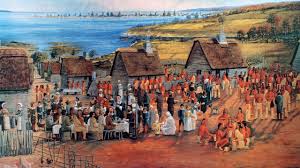
The story of Thanksgiving traces back to 1621 in Plymouth, Massachusetts. After a brutal first winter in which nearly half of the Pilgrims died, the remaining settlers finally saw a successful harvest thanks to the guidance of the Wampanoag people. Squanto taught them how to grow corn, fish, and live off the land. To celebrate their first successful harvest, the Pilgrims and Wampanoag men came together for a three-day feast. While this event is often referred to as “the first Thanksgiving,” it was not called that at the time, nor was it repeated annually. Still, it represented a rare moment of unity between two very different cultures.
Thanksgiving as we know it today developed gradually over centuries. Colonists held their own days of thanks for reasons like safe journeys, military victories, or abundant harvests. It was not until 1863, during the Civil War, that President Abraham Lincoln officially declared Thanksgiving a national holiday. Urged on by writer Sarah Josepha Hale, who had campaigned for a national day of thanks for nearly 20 years, Lincoln proclaimed the last Thursday in November as a day for Americans to give thanks and find community amongst hardship.
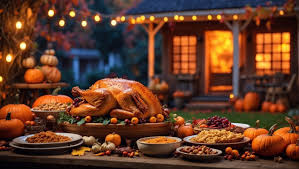
Modern Thanksgiving traditions continue to evolve, blending history with personal and cultural meaning. The centerpiece of most celebrations, the Thanksgiving meal, still symbolizes abundance and togetherness. Typical dishes include turkey, mashed potatoes, cranberry sauce, green bean casserole, and pies of every flavor. Many families add their own twist, whether it’s a secret stuffing recipe or a dish that reflects their heritage.
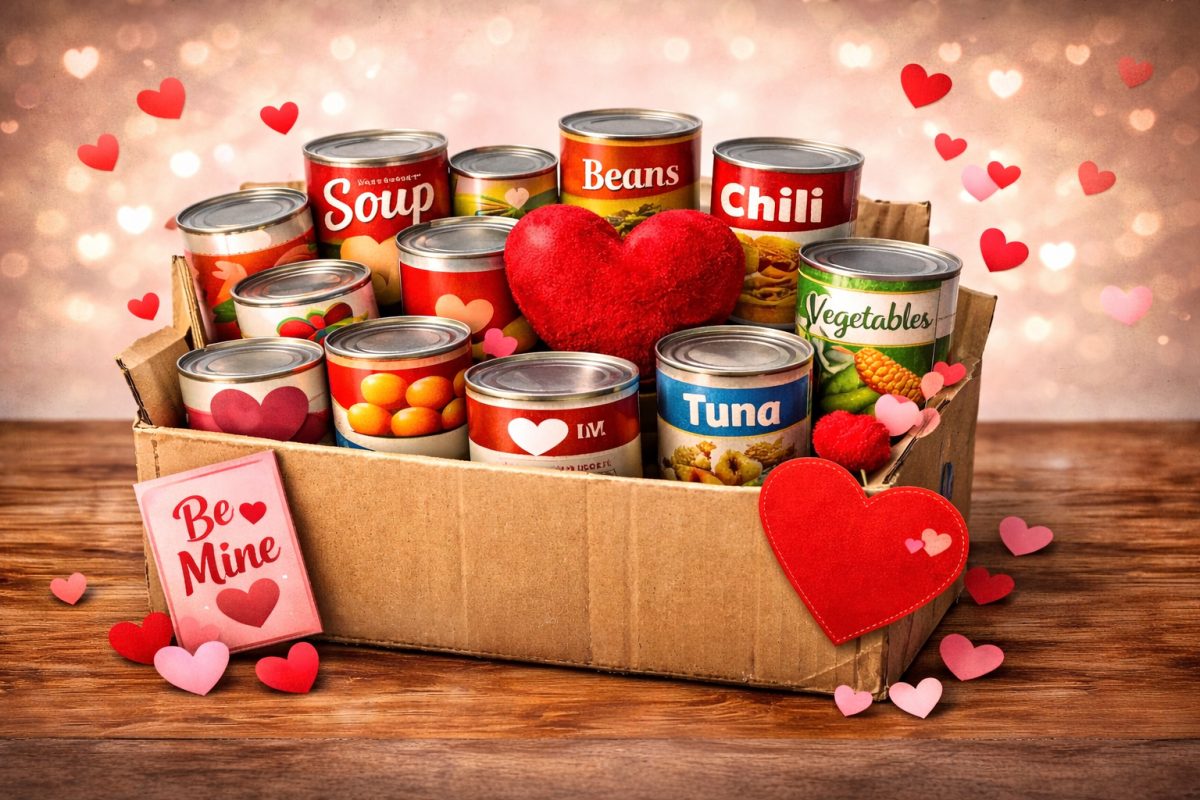
Beyond the food, Americans have created other traditions that define the day. The Macy’s Thanksgiving Day Parade, first held in 1924, fills New York City’s streets with giant floats, performers, and marching bands. Football has also become a Thanksgiving staple, with generations gathering around the TV to cheer on their favorite teams. And in recent decades, many have extended the spirit of giving beyond the table, by doing things like volunteering at food banks, hosting community dinners, or donating to charities.
At its heart, Thanksgiving isn’t just about history or food; it’s about gratitude. It’s a time to pause and reflect on what we have, to share with others, and to reconnect with family and friends. The essence of the holiday remains the same: giving thanks for what sustains us, both past and present.