

























The tradition of the Christmas tree has roots that stretch far earlier than Christmas itself. Long before Christianity, ancient civilizations used evergreens as symbols of life and resilience during the darkest days of winter. Egyptians decorated their homes with palm branches to honor the sun god Ra, while the Romans used evergreen wreaths during Saturnalia, celebrating the return of longer days. In northern Europe, early Germanic peoples believed evergreens held protective powers during winter’s harshness, representing endurance and hope.
The Christmas tree as we know it today began to form in medieval Germany. By the 1500s, Germans were bringing fir trees into their homes and decorating them as part of Christmas celebrations. One popular legend credits Martin Luther with adding the first candles to a tree after being inspired by the sight of starlight glimmering through forest evergreens. Whether or not this origin story is exact, written records confirm that decorated trees were a cherished part of German Christmas traditions by the 16th century.
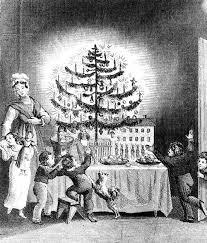
The tradition spread slowly across Europe, but it became mainstream when it reached England in the 19th century. In 1848, a widely circulated illustration of Queen Victoria and Prince Albert gathered around a decorated tree made the practice fashionable throughout Britain and, soon after, the United States. Immigrant communities also brought their own variations, helping the Christmas tree evolve into a universal symbol of the holiday season.
Today, Christmas trees remain central to holiday celebrations, but how people get them has expanded. Some families visit tree farms each year to choose a fresh pine, fir, or spruce, enjoying the scent and natural beauty of a real tree. Others prefer reusable artificial trees, which are convenient, cost effective over time, and available in countless styles. Both options have become deeply ingrained in Christmas culture.
Decorations have their own rich history. Early trees were adorned with fruits, nuts, and candles, symbolizing abundance and light. Over time, handmade paper ornaments and gingerbread figures were added. In the 1800s, glassblowers in Germany began crafting the first glass ornaments, which grew so popular that they were eventually exported worldwide. Tinsel, originally made from actual silver, became a shimmering addition meant to mimic icicles. Today’s decorations like lights, garlands, stars, and ornaments reflect both tradition and personal expression.
From ancient winter rituals to modern living rooms, the Christmas tree has endured as a symbol of joy, hope, and togetherness, continually evolving while remaining rooted in centuries of celebration.